
Power only and drop-trailer programs
Hook a loaded trailer and go: less driver wait, more dock flexibility. Available in select markets, where equipment and lanes allow.
What these are
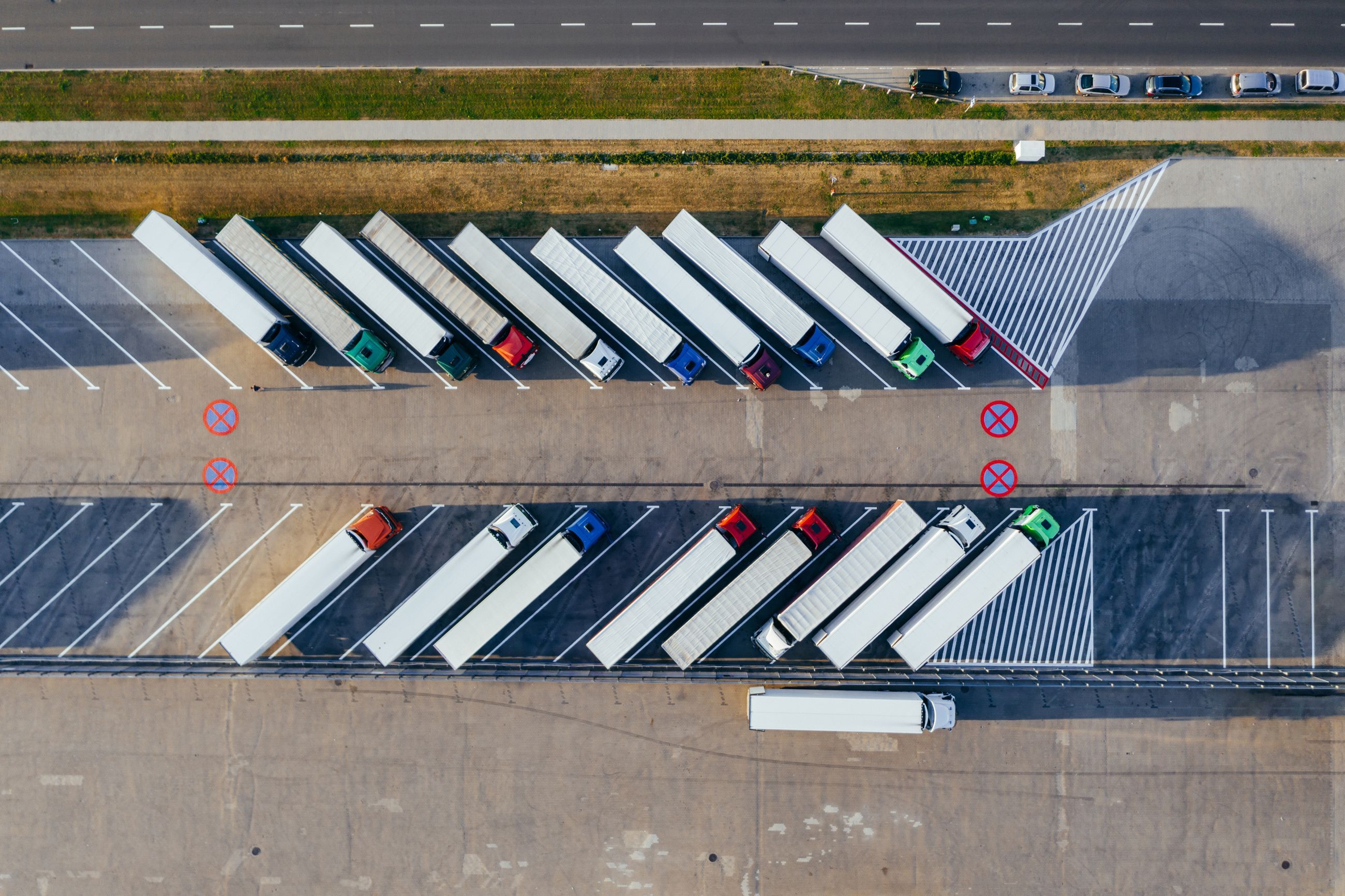
Hook the trailer and go. Skip the live load.
Available in select markets, where equipment and lanes allow. Tell us your facility location and we’ll check what we can support.
- Power only
- A tractor and driver pull a trailer you own or lease, or a pool trailer. You supply the box. The carrier supplies the power.
- Drop trailer
- Empty trailers are staged at your dock. You load on your schedule. A driver hooks the loaded trailer and swaps in an empty.
Fit check
Usually a fit if you have:
- High, steady outbound volume
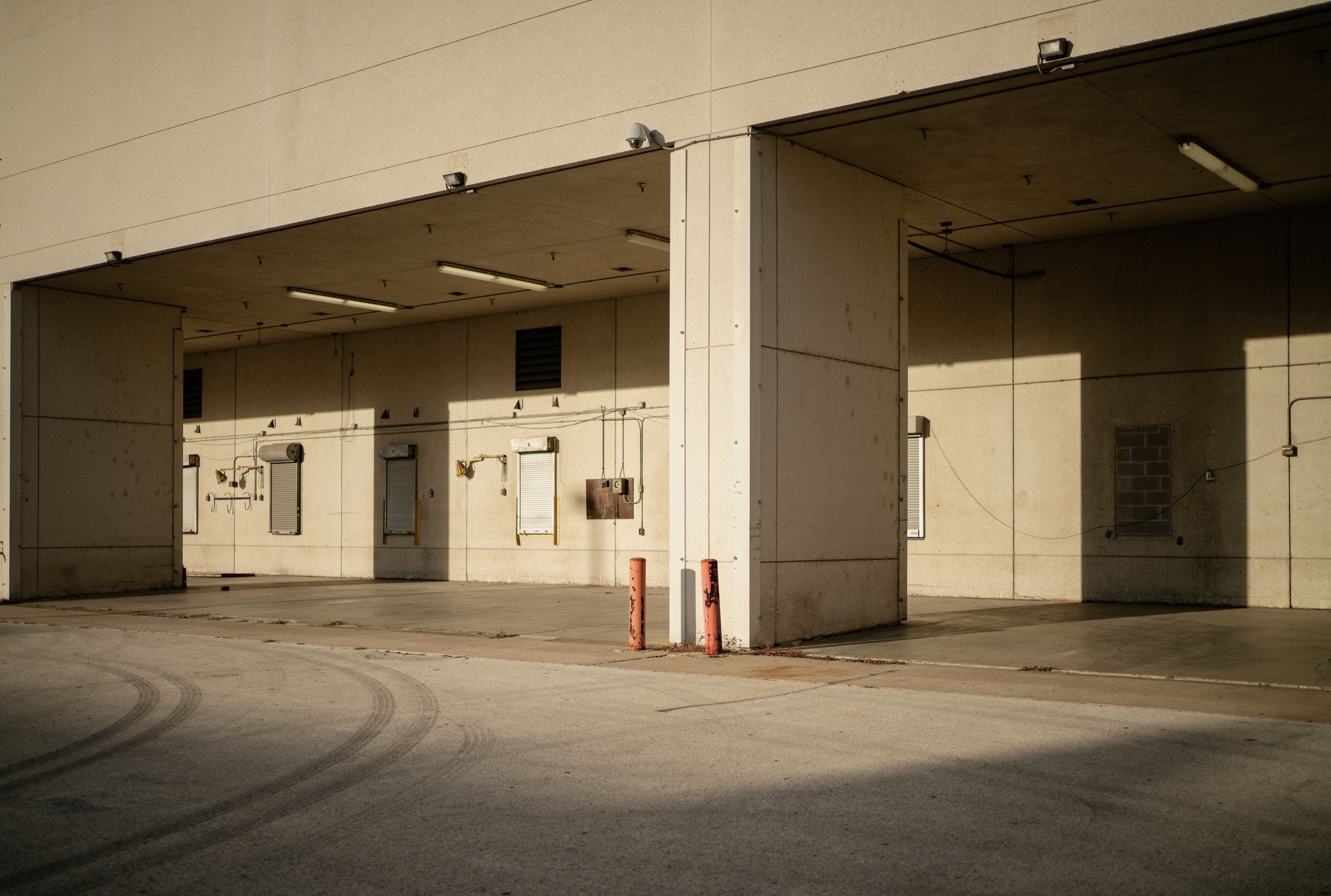
- Yard space for staged trailers
- Live-load appointments that cause detention or dock congestion
- Owned or leased trailers that sit idle
- Shift-based loading that doesn’t match pickup appointments
Shipping one-off loads? See full truckload
Compare the options
Three ways to load a lane.
The right one depends on your volume, yard space and if you have trailers.
| Compare | Live load | Drop trailer | Power only |
|---|---|---|---|
| Who supplies the trailer | The carrier, with the truck. | A pool of trailers staged at your dock for the program. | You, owned or leased. Or a pool trailer. |
| When you load | During the appointment, while the driver waits. | On your schedule, any time before the swap. | Before the driver arrives. The trailer is preloaded. |
| Driver wait | The full load time, plus any delay. Detention can apply. | Usually short: hook the loaded trailer, drop an empty. | Usually short: hook the preloaded trailer and go. |
| Best for | One-off loads, low volume or no yard space. | High, steady outbound volume from one facility. | Shippers with their own trailers or a trailer pool. |
| What you need on site | A dock door and a pickup appointment. | Yard space for staged trailers and a loading plan. | Loaded trailers ready to hook, with BOL and seal. |
Live load
- Who supplies the trailer
- The carrier, with the truck.
- When you load
- During the appointment, while the driver waits.
- Driver wait
- The full load time, plus any delay. Detention can apply.
- Best for
- One-off loads, low volume or no yard space.
- What you need on site
- A dock door and a pickup appointment.
Drop trailer
- Who supplies the trailer
- A pool of trailers staged at your dock for the program.
- When you load
- On your schedule, any time before the swap.
- Driver wait
- Usually short: hook the loaded trailer, drop an empty.
- Best for
- High, steady outbound volume from one facility.
- What you need on site
- Yard space for staged trailers and a loading plan.
Power only
- Who supplies the trailer
- You, owned or leased. Or a pool trailer.
- When you load
- Before the driver arrives. The trailer is preloaded.
- Driver wait
- Usually short: hook the preloaded trailer and go.
- Best for
- Shippers with their own trailers or a trailer pool.
- What you need on site
- Loaded trailers ready to hook, with BOL and seal.
Facilities this fits
Built for docks that ship every day.
Distribution centers
Steady outbound to stores and customers, shift after shift.
Manufacturing plants
Finished goods come off the line on a schedule, not an appointment.
Warehouses and 3PLs
Several customers sharing doors and a tight dock schedule.
Cross-docks
Fast turns, where a waiting truck blocks the next inbound.
Food and beverage plants
High-volume packaged outbound, loaded across shifts.
Retail DC replenishment
Repeating store and DC lanes on a set weekly rhythm.
How a program starts
Start with one lane, then scale.
Drop programs need planning. We start small and adjust once trailer turns are real.
Volume and lane review
Loads per week by lane, ship days and steadiness.
Yard and dock check
Staging space, door count, yard access and loading hours.
Trailer pool and swap cadence
Trailers to stage, and how often loaded swaps for empty.
Pilot on one lane
One lane first. Track turns, driver wait and missed swaps.
Review and adjust
Resize the pool or swap timing, then add lanes that fit.
What changes at your dock
Less waiting. Steadier freight.
For qualified shippers at high volume, a drop or power-only program can mean:

- Less driver wait and detention
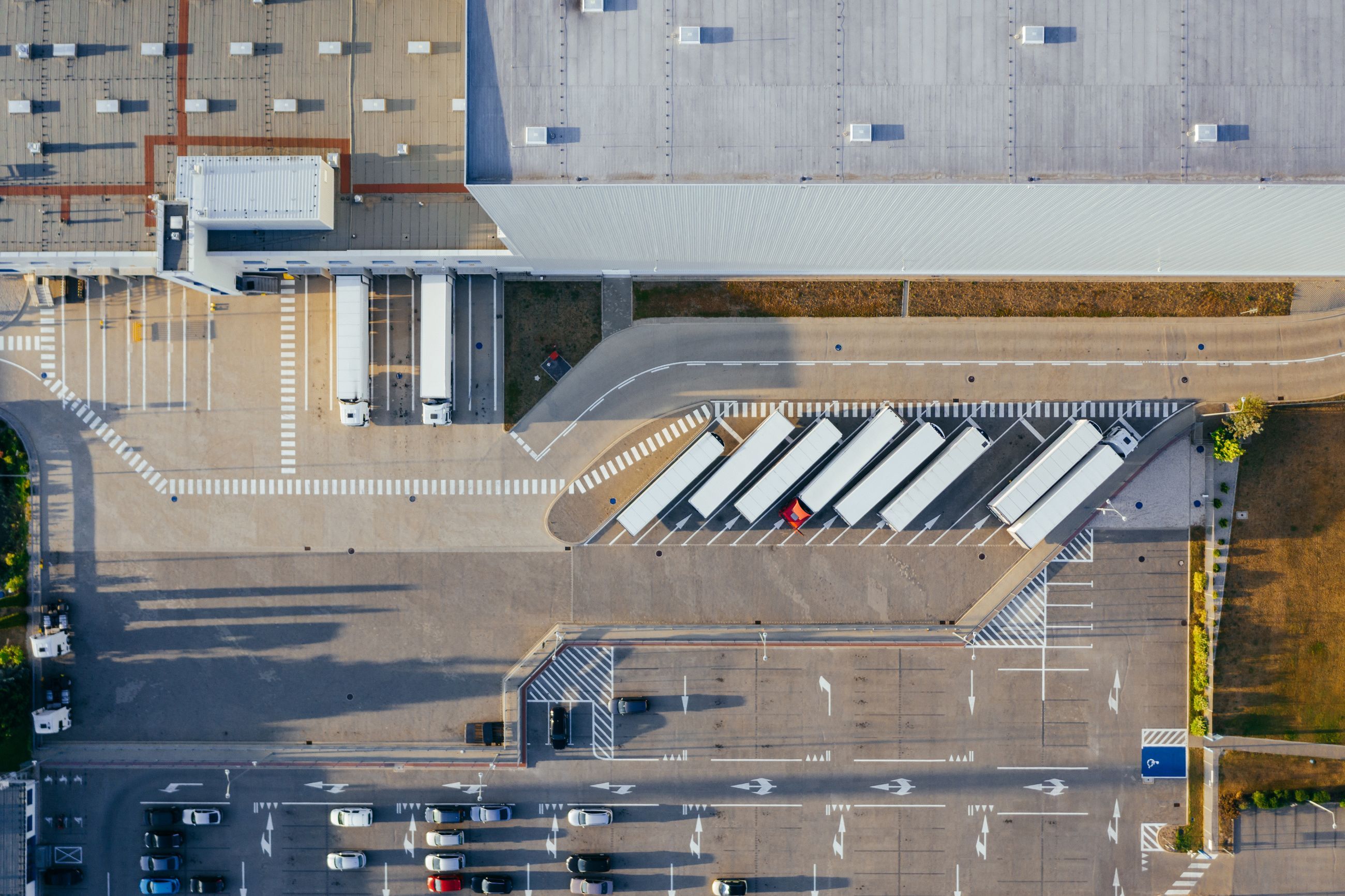
- Flexible loading windows that follow your shifts
- A steadier flow of outbound freight
- Fewer pickup appointment conflicts
- Better use of dock doors and labor
- Fewer missed pickups when loading runs late
Questions
Power only and drop FAQ
Can’t find your answer? Talk to the team that will plan your program.
Power only vs. drop trailer: what’s the difference?
Power only means we arrange the tractor and driver to pull your trailer. A drop-trailer program stages empty trailers at your dock so you load on your own time. Some programs use both.
Do I need my own trailers?
Not for a drop-trailer program, where trailers are staged at your dock for you. For power only, you supply the trailer, owned or leased, or we look at a pool trailer for the lane.
How many trailers do I need on site?
It depends on your volume and turn time: how many loads you ship per day and how long a trailer sits before it’s swapped. We size the pool during the yard and dock check.
Which markets do you run this in?
Select markets, where equipment and lanes allow. Tell us your facility location and lanes, and we’ll tell you what we can support there.
Is there detention on drop trailers?
Drop programs are built to cut driver detention, since the driver hooks and goes. If a trailer sits past the agreed free time, trailer charges may apply. We set those terms before the program starts.
Drop-trailer and power-only programs
Ready to stop waiting on live loads?
Tell us your facility, weekly volume and lanes. We’ll tell you whether drop trailer or power only fits, in select markets where equipment and lanes allow.
Or email Hello@amberroutes.com