
Food and beverage
Dry, packaged, refrigerated and temperature-sensitive products, planned around your pickup and receiving appointments.
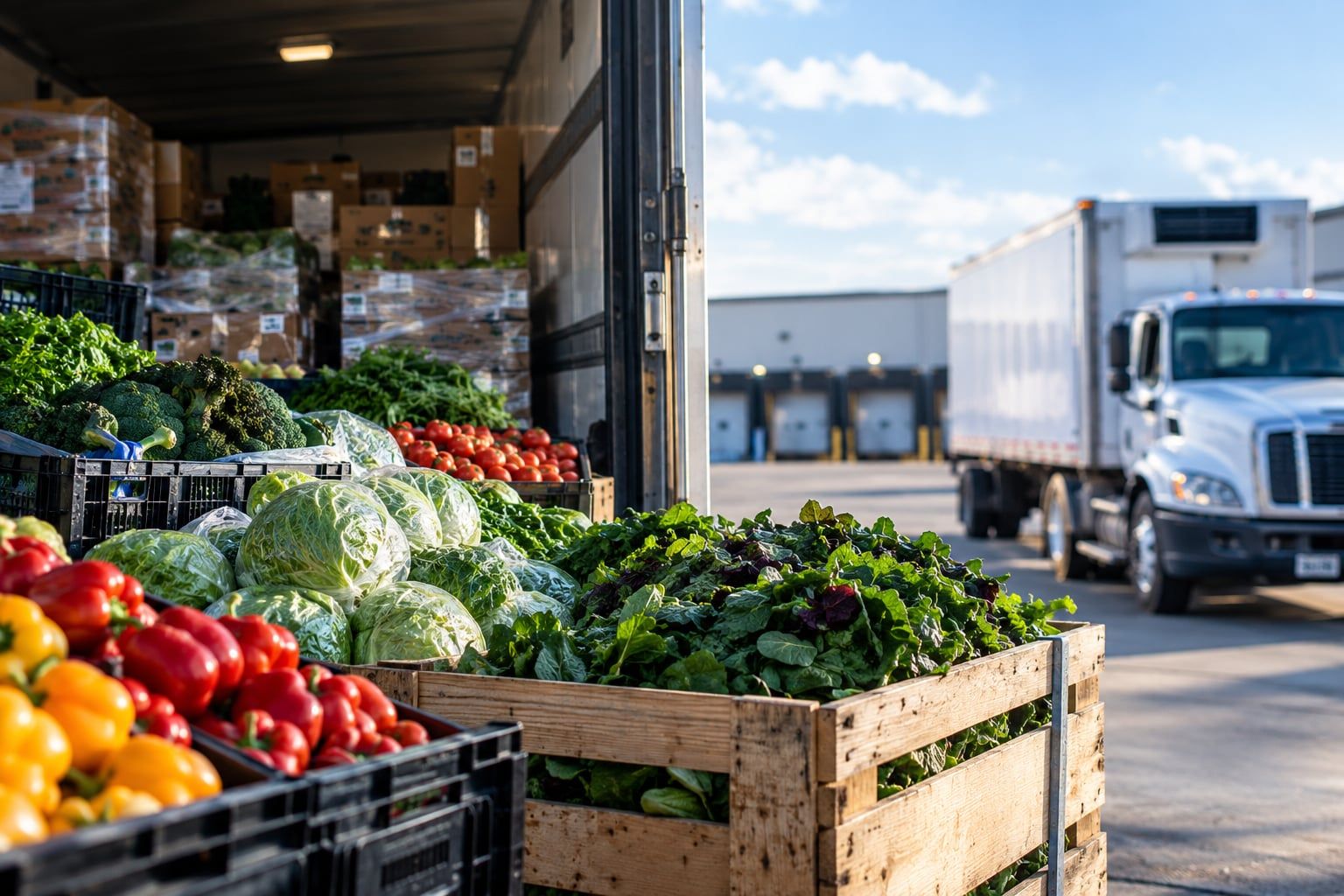
Food and beverage freight
Dry or cold, booked to the dock’s schedule.
We move dry, packaged, refrigerated and temperature-sensitive products for food and beverage shippers. Every load starts with two things: the right trailer and the receiver’s appointment.
- Dry van
- Shelf-stable and packaged product: canned and boxed goods, dry grocery, bottled drinks and packaging supplies.
- Reefer
- Refrigerated and temperature-sensitive product that has to hold a set temperature from pickup to delivery.
Freight by product type
Four kinds of food freight, four ways to run it.
Pick a product type to see how a typical load runs.
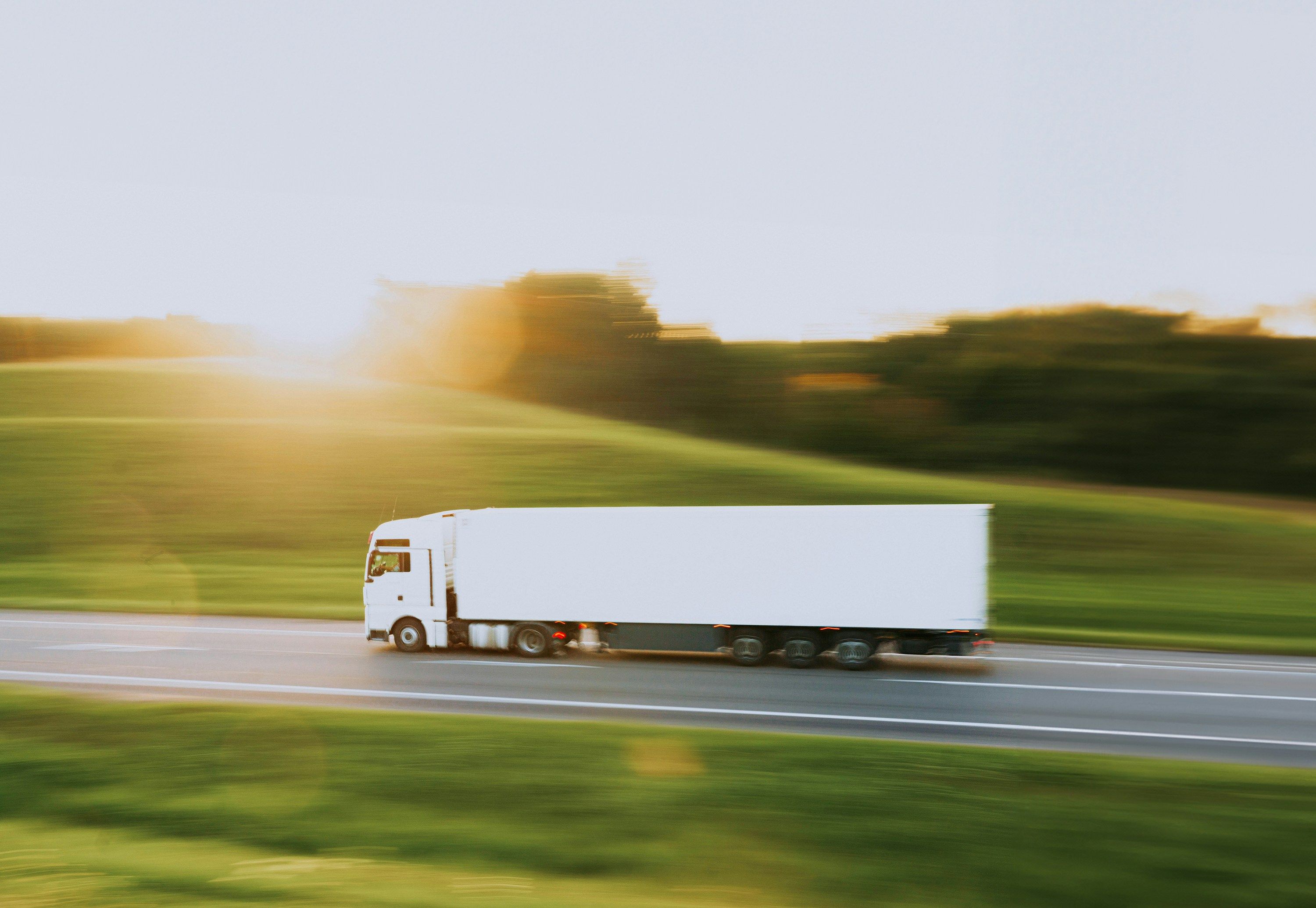
Scenario 01 · Dry and packaged
Shelf-stable pallets into a grocery DC.
- You ship a full trailer of canned and boxed goods from a warehouse in the Inland Empire.
- The receiver is a grocery distribution center that unloads only at booked appointment times.
- We book the appointment, arrange a clean 53-ft dry van and follow the load to the signed POD.
- Equipment
- 53-ft dry van
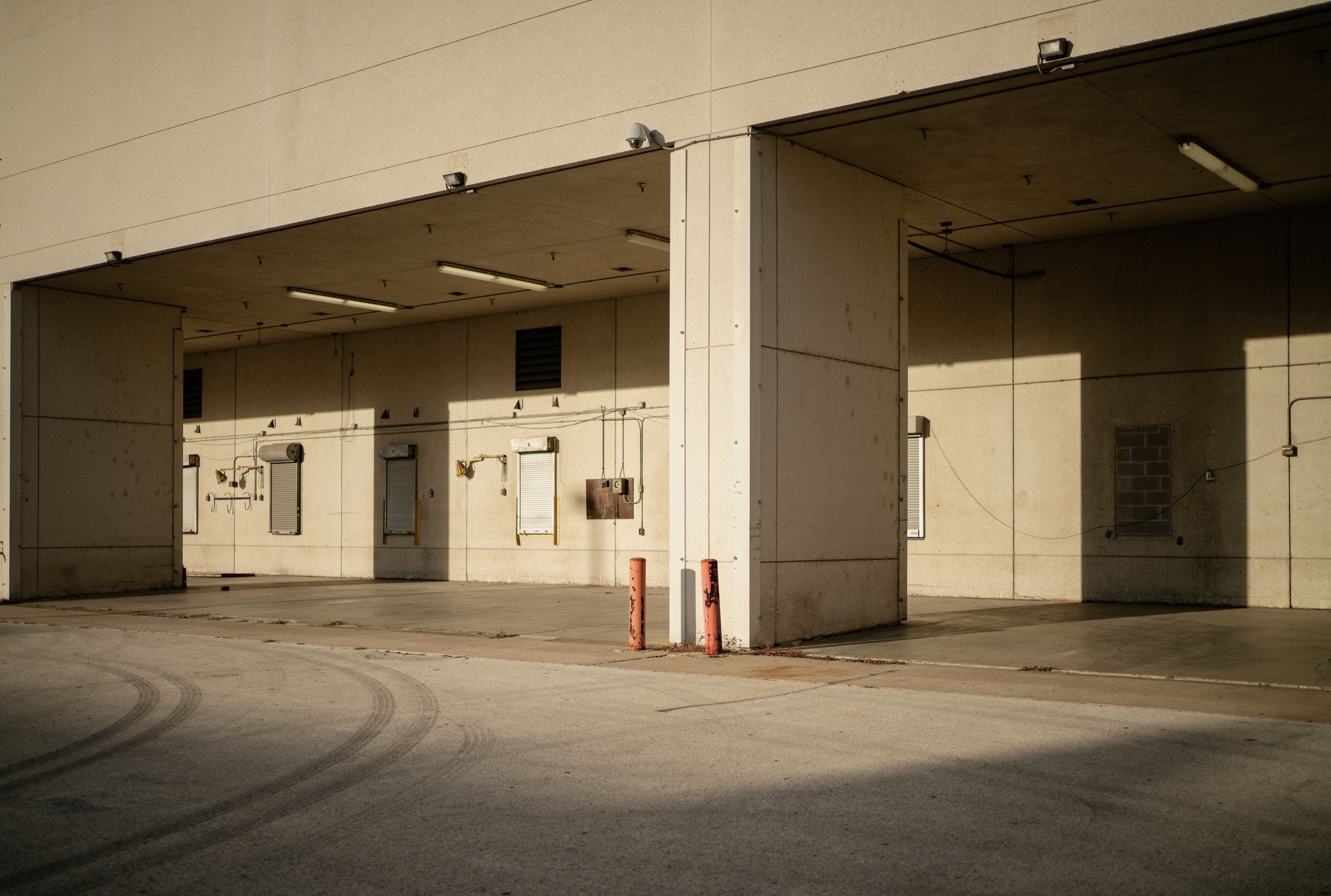
Scenario 02 · Refrigerated
Chilled product on a set temperature.
- You ship dairy and chilled drinks that need a set temperature from your dock to theirs.
- The receiver is a cold-storage dock that checks product temperature before it signs for the load.
- We book a reefer, put the set point on the rate confirmation and check in through transit.
- Equipment
- Reefer (refrigerated trailer)
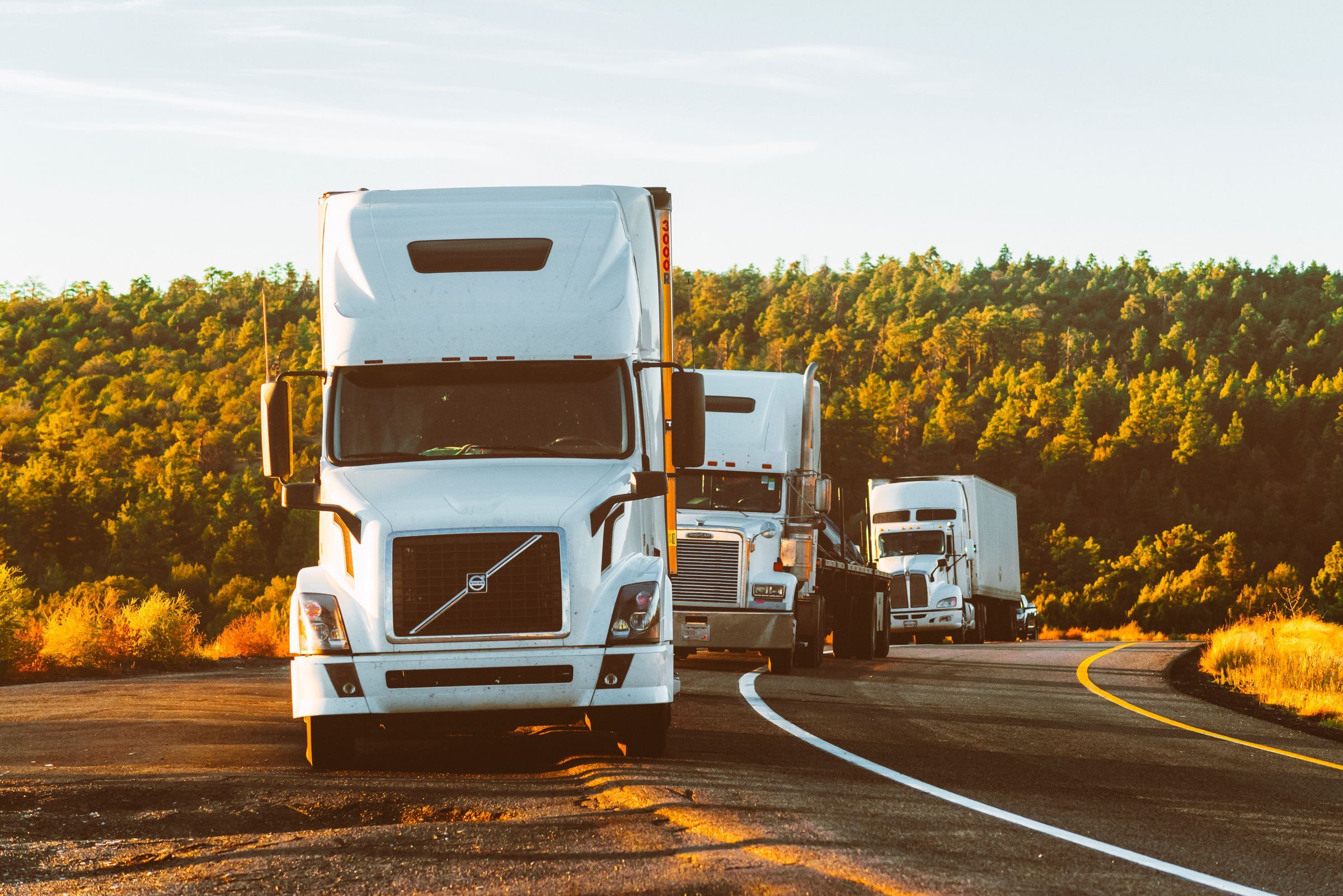
Scenario 03 · Fresh produce
Produce that ships the day it is packed.
- You ship packed fruit and vegetables from a grower’s cooler, ready to load on short notice.
- The receiver is a produce buyer or DC that inspects the load when it arrives.
- We line up a pre-cooled reefer, confirm the pickup time with the cooler and keep the receiver posted on the ETA.
- Equipment
- Reefer, pre-cooled before loading
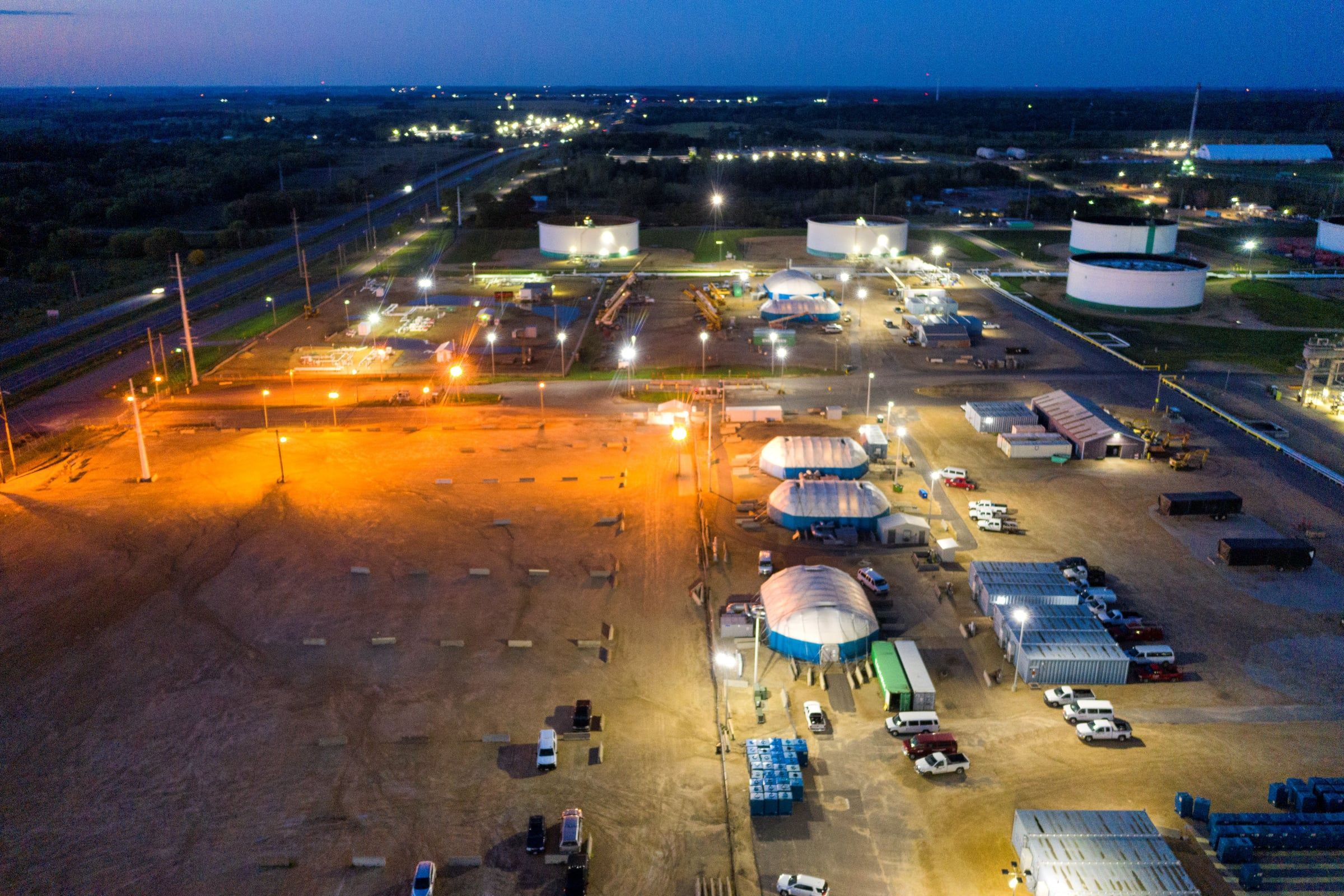
Scenario 04 · Replenishment
Restock orders on a tight window.
- You ship restock orders to stores or food-service distributors whose shelves are running low.
- The receiver is a store, DC or food-service warehouse with a narrow delivery window.
- We match a dry van or reefer to the product, book the window and call ahead if the ETA slips.
- Equipment
- Dry van or reefer, by product
Food freight challenges
Four things every food load has to get right.
Food freight leaves little room for a bad trailer or a missed slot. These four shape how we plan every load.
- Pickup and receiving appointmentsFood DCs and cold-storage docks work from booked slots. Miss one and the load may sit until the next open appointment.
- Temperature controlRefrigerated and temperature-sensitive product has to hold its set point from loading to unloading. Receivers may check it at the door.
- Time-sensitive replenishmentStore and food-service orders ship to restock shelves. A late truck means empty slots, so the ETA gets watched, not assumed.
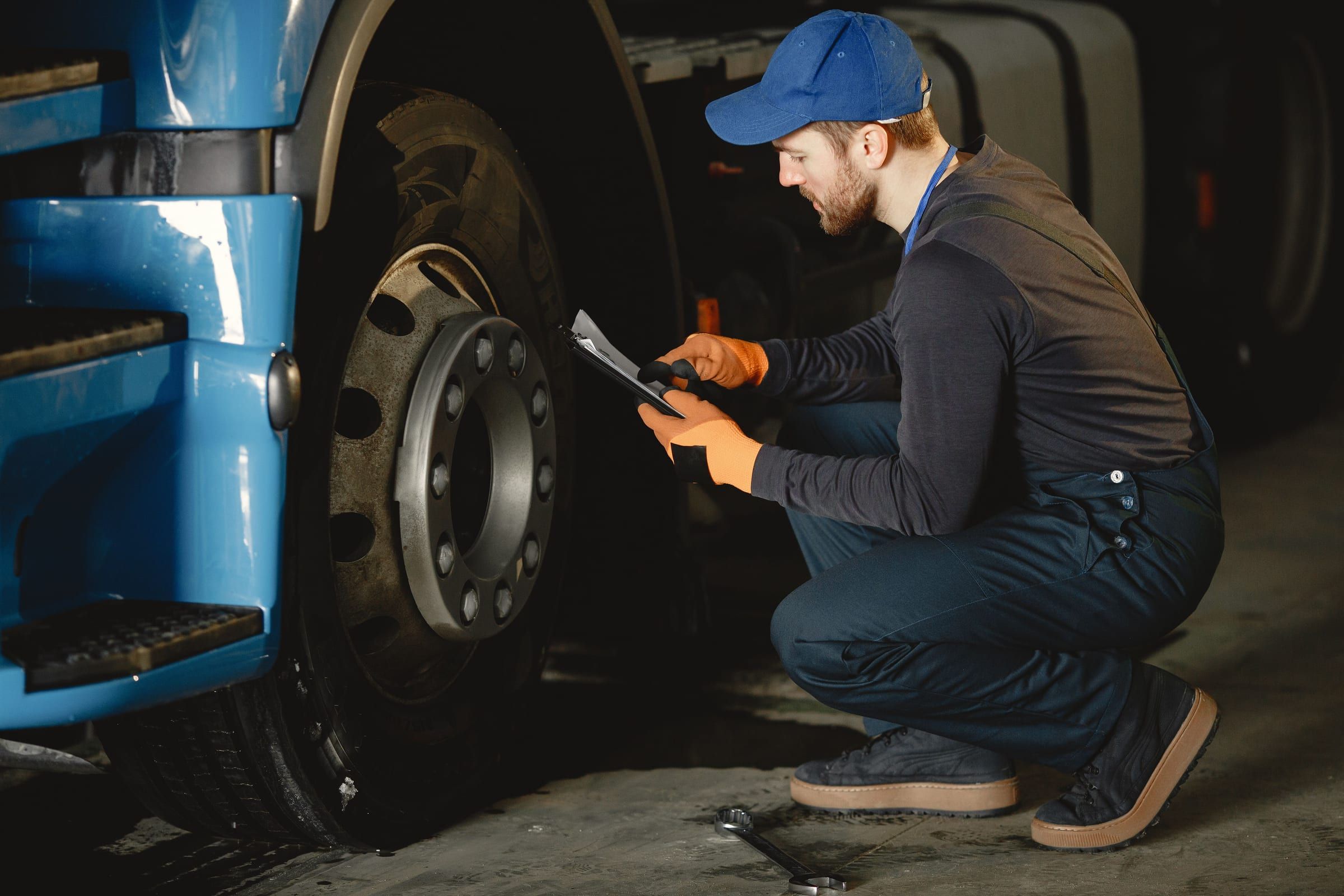
- Clean equipmentFood loads need a clean, dry, odor-free trailer in good repair. Some shippers also require a washout or a trailer inspection.
We check all four at booking, before a truck is dispatched.
What we move
Food and beverage freight we move.
Seven kinds of food and beverage freight, dry and refrigerated. Send the product and we’ll tell you how it should run.
Packaged foods
Canned, boxed and bagged goods
Beverages
Bottled and canned drinks
Fresh produce
Fruit and vegetables, by reefer
Grocery distribution
Loads into grocery DCs
Ingredients and raw materials
Inputs for food and drink plants
Packaging supplies
Cases, film, labels and containers
Retail and food-service deliveries
Store and food-service orders
How we run food loads
Booked to the appointment, followed to the POD.
For dry and reefer loads across the West and nationwide. This is what happens on every food load we book.
Transportation may be performed by an affiliated authorized motor carrier or arranged through an independent third-party motor carrier depending on the lane, equipment, availability, and customer requirements.
- Appointments set before dispatchWe confirm pickup and receiving appointments with both docks and put them on the rate confirmation.
- The trailer matched to the productDry van for shelf-stable freight. Reefer for anything that needs a temperature, with the set point in writing.
- Clean equipment, requested up frontTrailer condition and any washout requirement go to the carrier at booking, not discovered at the dock.
- Check calls from pickup to PODUpdates at pickup, in transit and at delivery. If an ETA slips, we tell you and the receiver right away.
Questions
Food and beverage FAQ
Can’t find your answer? Talk to the team that will book your load.
Do you move both dry and refrigerated food?
Yes. Shelf-stable and packaged product moves in dry vans. Refrigerated and temperature-sensitive product moves in reefers. Tell us the product and we match the trailer.
How do you set the temperature on a reefer?
Give us the required temperature and whether the unit should run continuous or cycle. We put it on the rate confirmation and confirm it with the carrier before pickup.
Can you arrange deliveries to grocery DCs on appointment?
Yes. Send the receiver’s appointment details and any scheduling rules at booking. We plan the pickup time and transit around that window.
Can I ask for a washed-out trailer?
Yes. Tell us at booking if your product needs a washout or an inspected trailer. We pass the requirement to the carrier before dispatch.
Industries
Other industries we serve
- Retail and distribution centersAppointments, PO compliance and fewer chargebacks.
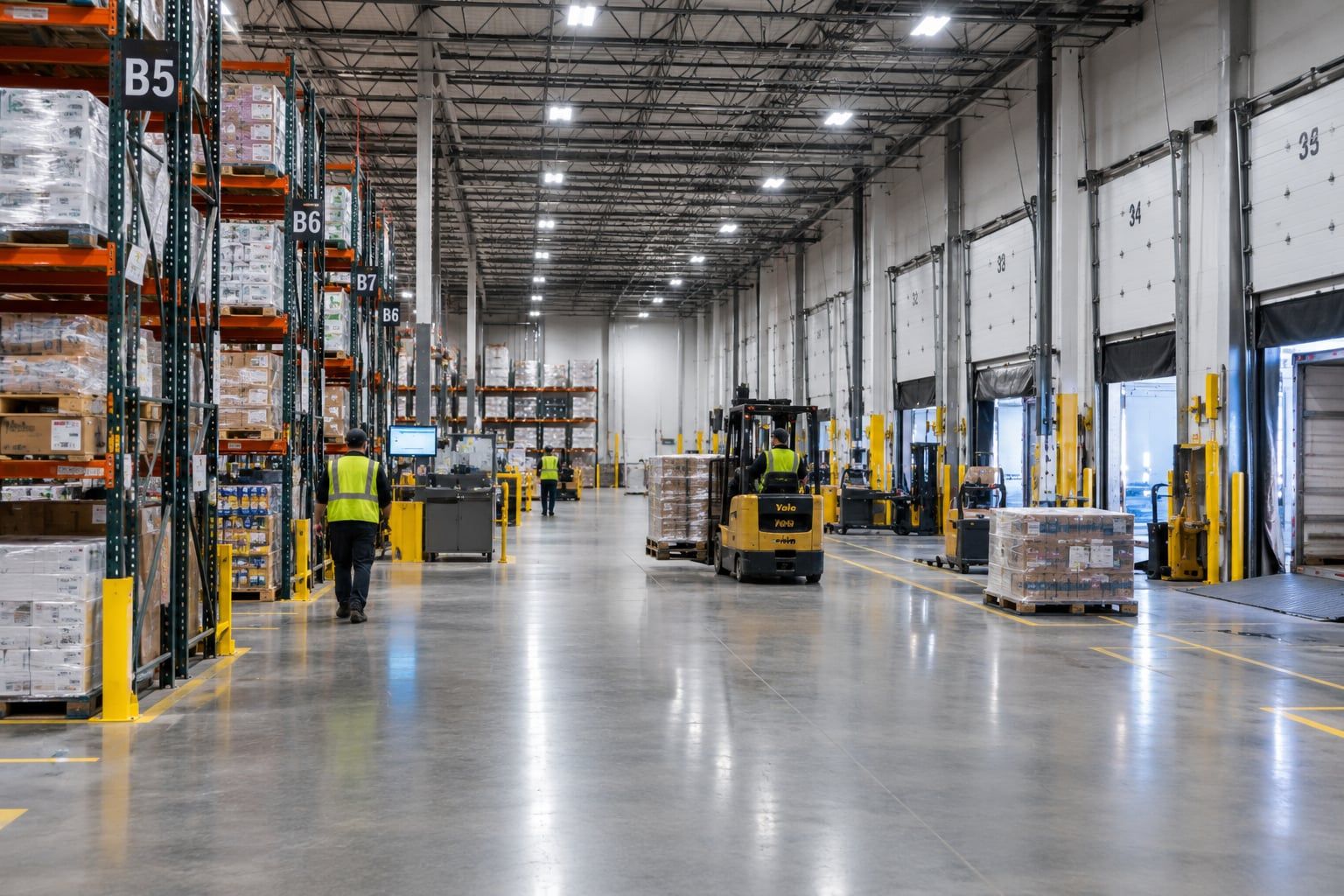
- Manufacturing and packagingInbound materials and outbound goods on production schedules.
- Automotive and industrialParts and components for plants with strict delivery windows.
- Construction materialsPackaged building materials checked for size, weight and site access.
Food and beverage quotes
Have a food or beverage load?
Send the lane, pickup date, product and any temperature requirement. We’ll match a dry van or reefer and quote the load.
Or email Hello@amberroutes.com