
Temperature-controlled freight
Refrigerated capacity for food, beverage, produce and other freight that has to hold a set temperature from dock to dock.
What reefer service is
Your set point, held dock to dock.
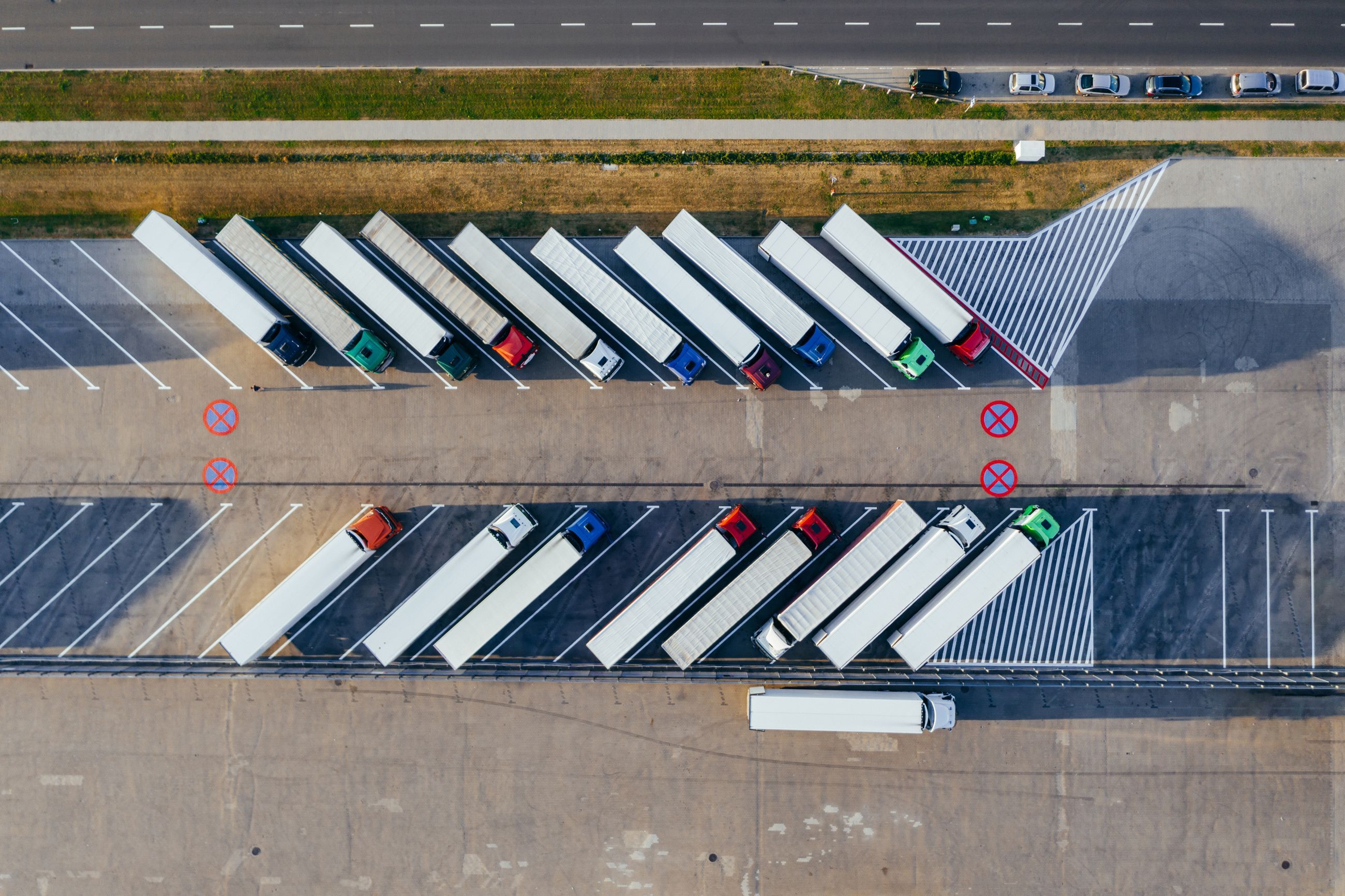
A reefer is an insulated trailer with its own refrigeration unit. The unit holds the set point on your order. That can be frozen, chilled, or just warm enough to protect from freezing.
Shelf-stable and packaged? See full truckload dry van
Reefer is usually the right call if your freight:
- Is perishable or temperature-sensitive
- Needs a set point held for the whole trip
- Must be protected from freezing on winter lanes
- Is produce or chilled goods with a tight shelf life
- Goes to receivers that reject loads on temperature
Temperature ranges
Pick the range your freight needs.
Typical set point
−10°F to 0°F
Frozen
For product that must stay hard-frozen. Usually run in continuous mode so the unit never cycles off.
Typical freight
Frozen meat and seafood, ice cream, frozen bakery and prepared meals.
Typical set point
33°F to 40°F
Chilled and fresh
Cold but never frozen. Shelf life is short, so pickup and delivery appointments carry real weight.
Typical freight
Dairy, fresh meat, deli, produce and chilled beverages.
Typical set point
55°F to 70°F
Controlled ambient / protect from freeze
For freight that only has to avoid heat or hard cold. Common on winter lanes into Utah, Idaho and Montana.
Typical freight
Bottled beverages, wine, candy and chocolate.
How we run a reefer load
Holding temperature, step by step.
Set point on the paperwork
We confirm the set point and continuous or cycle mode. Both go on the load order and the BOL.
Trailer pre-cooled
The carrier pre-cools the trailer to set point before it backs into your door.
Loaded at temperature
Product loads already at temperature, with space left for airflow. The seal number goes on the BOL.
Checked in transit
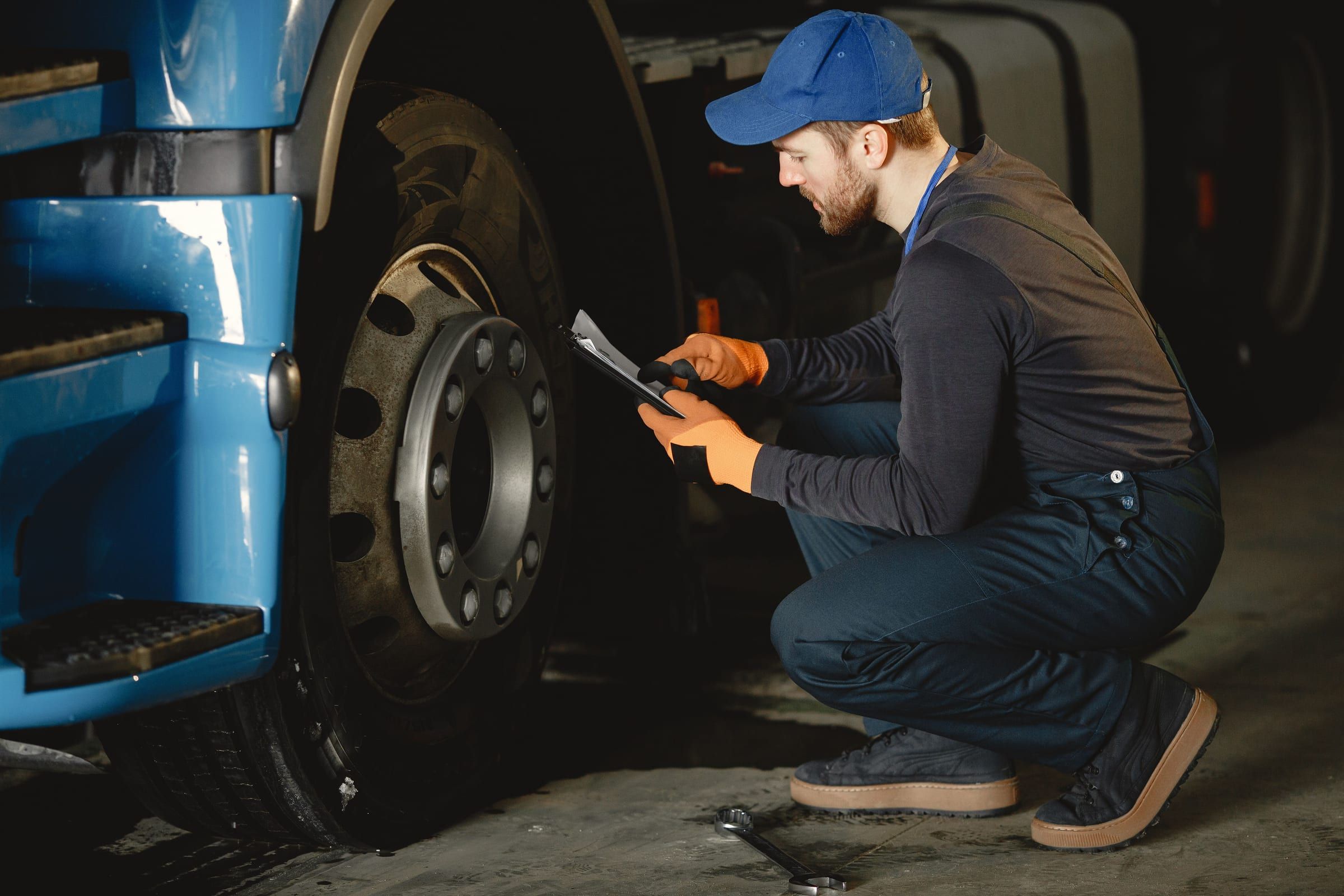
The carrier checks the unit during the trip. If a reading drifts, we work the fix with the driver.
Delivered with a record
The load delivers at set point. A temperature record is available if your receiver requires one.
Pricing
What affects a reefer rate.
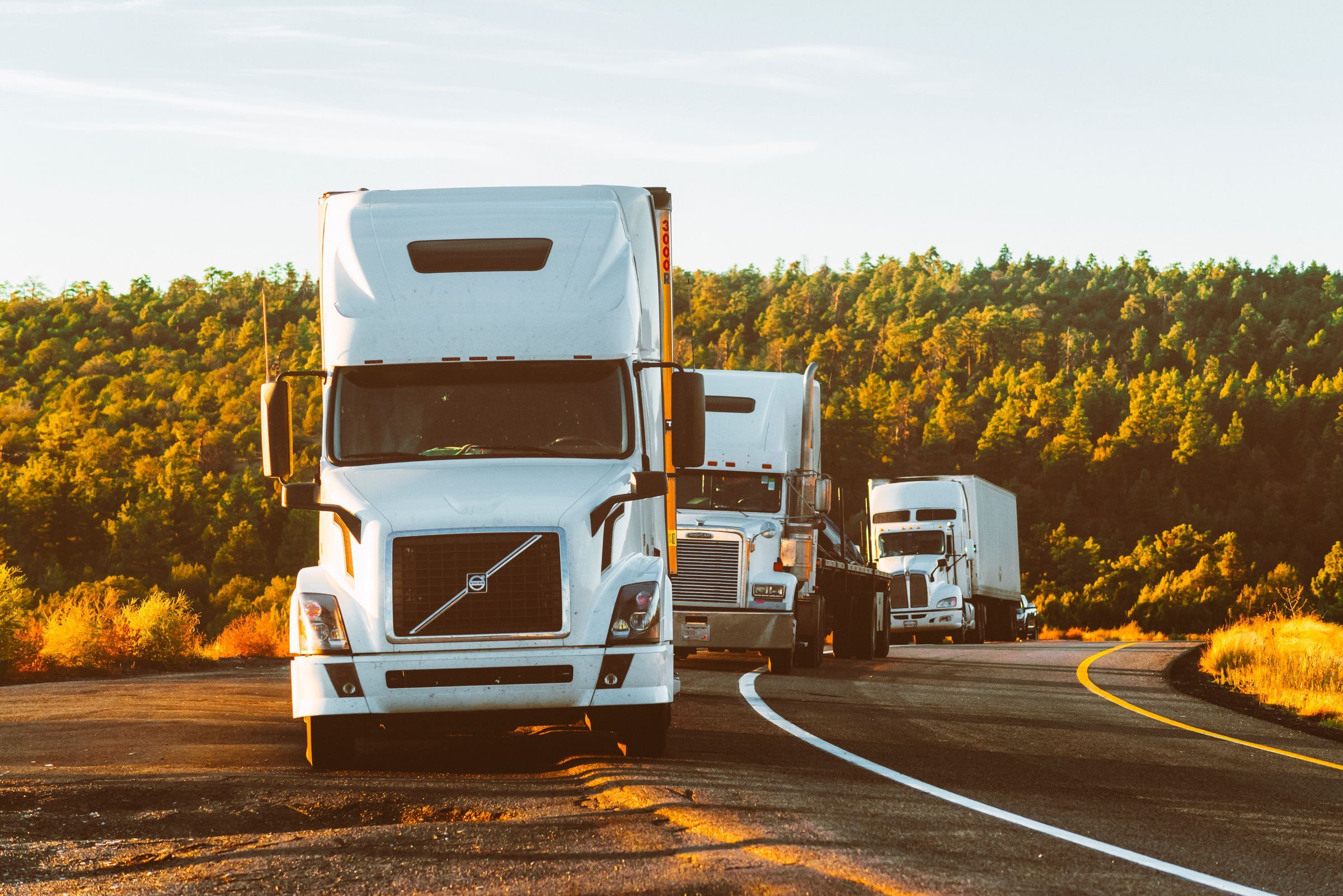
Reefer rates swing more than dry van rates. These are the factors we weigh before we price your lane.
- Seasonal produce demandSpring to summer, produce harvests pull reefers and rates climb.
- Fuel for the reefer unitThe unit burns its own fuel, on top of the tractor’s.
- Lane balanceEasy reloads at delivery mean a lower rate. Empty backhauls cost more.
- Continuous modeA unit running nonstop burns more fuel than one cycling on and off.
- Multi-temp or multi-stopSplit zones and extra stops add door time and temperature risk.
- Lead timeMore notice means more carriers to pick from. Same-day reefers cost more.
Industries
Built for food and beverage.
Most reefer freight is food: produce, dairy, meat, frozen goods and beverages. Each has its own set point, and grocery and foodservice receivers hold firm appointments.
We also cover temperature-sensitive freight for retail and distribution centers and manufacturing and packaging.
Food and beverage shippingQuestions
Reefer FAQ
Can’t find your answer? Talk to the team that will arrange your load.
Reefer or dry van for food freight?
Shelf-stable packaged food usually ships fine in a dry van. Anything perishable, or anything that can’t take summer heat or winter cold, belongs in a reefer. Send us the product and we’ll recommend one.
What is continuous vs cycle mode?
In continuous mode the unit runs nonstop and keeps air moving. In cycle mode it shuts off at set point and restarts as needed. Frozen and sensitive product usually runs continuous; cycle saves fuel.
What if a load arrives out of temperature?
Note the readings on the POD, take photos and call us before the driver leaves. We work the claim with you and the carrier, from paperwork through resolution.
Why do reefer rates rise in produce season?
From spring through summer, harvests pull reefer capacity into growing regions. More loads chase the same trucks, so rates climb. Booking early and giving lead time helps.
Can you handle frozen freight?
Yes. We arrange reefer capacity for frozen loads, typically run in continuous mode. Confirm the exact set point with us when you book.
Reefer quotes
Have a refrigerated load to move?
Send the lane, pickup date and set point. We’ll confirm reefer capacity and a realistic rate before we book.
Or email Hello@amberroutes.com